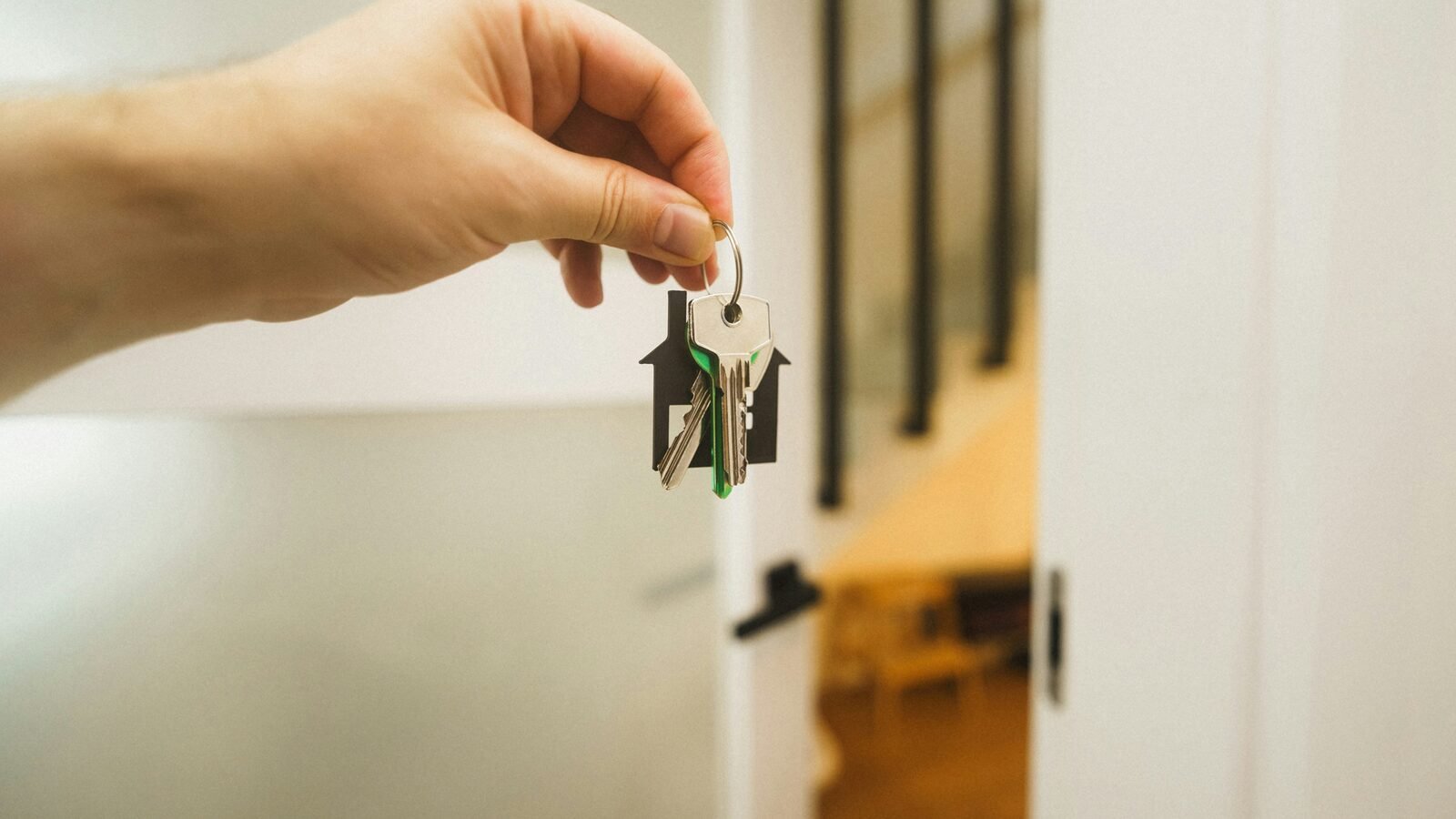
A rental deposit abroad is the point where a promising apartment search becomes a real financial commitment. You find an apartment that finally feels like a place to land. The landlord says someone else is ready to pay and asks for a deposit tonight. That urgency is the moment to slow down: once money is sent to a false listing or changed account, a favorable exchange rate is irrelevant.
At a Glance
| Before sending | Evidence to collect |
|---|---|
| Property | Address, viewing or verified live tour, listing consistency |
| Person | Landlord or agent identity and authority to lease |
| Terms | Signed agreement, deposit purpose, deadlines, refund deductions |
| Payment | Account holder, bank details, currency, independent confirmation |
| After sending | Receipt, landlord acknowledgment, condition and inventory record |
This article includes an affiliate link. BooksOfTay may earn a
commission at no extra cost to you. Use the transfer method that is
suitable after the recipient is verified.
The decision in real life
Build a chain of evidence from property to person to lease to account. Save the original listing, the property address, the verified agent or owner’s details, your viewing or live tour, the written terms, and the payment instructions. A real property can still be advertised by someone with no right to lease it, so each link needs its own check.
Confirm the home
exists and the offer is real
The FTC’s
rental scam guidance describes fake listings and pressure to pay
before seeing a property. Search the address and images for duplicate
listings with conflicting contacts or prices. Request a live video
viewing that shows the street entrance, unit, and features in the
listing, or use a trusted local person. A video call reduces uncertainty
but is not proof of ownership by itself.
Ask the agent for their business details and the landlord’s
authorization where relevant. Be cautious if the recipient name differs
from the lease, the account changes at the last minute, or an agent
insists that a wire or crypto payment is the only way to hold a unit. Do
not send passport scans to an unverified contact.
Put the deposit rule in
writing
The agreement should state the property and unit, lease dates,
monthly rent, deposit amount, currency, what the deposit covers, when it
is returned, possible deductions, and who pays banking fees. Check
whether utilities, building fees, and an inventory are included. If a
reservation deposit converts to a security deposit, have that transition
stated explicitly. Ask for a receipt and preserve all
communications.
Verify the
account through a separate channel
Call a number you independently found for the verified landlord or
agency—not a number pasted into an unexpected email—to read back the
account holder and last digits. Treat any “updated banking details”
message as a new verification event. If you cannot verify ownership and
terms, pause the payment. Once you move in, photograph the condition of
the unit and agree on an inventory promptly.
Compare transfer
costs only after verification
Enter the required recipient amount and currency in a live Wise quote. Ask your bank for the USD
total and whether intermediary or receiving-bank deductions could leave
the landlord short. Our Wise versus bank wire guide
explains the comparison. Allow time for account checks and cutoffs, and
keep the transfer confirmation with the signed agreement.
A deposit checklist before the transfer screen
Verify the unit exists and is actually available. Search the address and images for duplicate listings with different prices or contacts. Arrange an in-person visit or a live walkthrough through a trusted local person, and confirm building access or management details through a channel you locate yourself.
Ask for a signed lease or reservation agreement stating the unit, parties, deposit amount and currency, purpose, conditions for deductions, refund timing, and what happens if the rental does not proceed. Record move-in inventory and condition with dated photos at handover. Local law can affect deposit rights, so get local advice for a dispute or unusual clause.
Confirm the receiving account by calling a previously verified landlord or agency number. Treat an emailed change of bank details as a new risk event. If the account holder differs from the lease party, get a clear written explanation and verify it independently. Then compare transfer routes for the exact amount the recipient must receive.
A real-looking listing can still fail verification
Imagine the apartment is genuine and the photos match the street. An impersonator can copy the listing and substitute their contact information; alternatively, a real agent’s email can be spoofed with new bank details. That is why “I found the building” is only the first check. The party collecting money must have the right to rent that exact unit, and the account must belong to the verified arrangement.
Ask for a lease that identifies the unit and recipient, then contact building management or the established agency independently. For a remote deal, consider a trusted local viewer. Keep screenshots of the listing and the complete payment conversation. If someone insists a viewing or signed terms must wait until after a transfer, choose a short-term stay while you investigate.
When the checks pass, save the live transfer quote and receipt, then request a written acknowledgment that identifies what the payment covers. At move-in, photograph condition and agree an inventory. This paper trail matters if there is later disagreement about return of the deposit.
Pressure tactics that should stop the process
Be wary of claims that you must pay before viewing or signing, that only a hard-to-reverse payment is accepted, or that a broker cannot identify the actual landlord. The FTC describes rental listing scams that copy real properties and hurry people into deposits. A platform badge or polished video is not enough by itself.
If you cannot verify the property and person before arrival, price a short temporary stay instead. The added lodging cost may be less than a lost deposit or months in an unsuitable apartment.
THE BOOKSOFTAY LIFE-FIT TEST
Which choice actually fits your life?
Use these questions before you pay, apply, or commit. The right answer is the one that holds up on an ordinary Tuesday, not just in a sales page.
Have I seen the exact unit?
A generic building video or stock photos do not prove the advertised unit is available.
Can I verify the person’s authority?
Confirm owner or agent identity through independent property or agency channels.
Are refund terms written?
Know the conditions, deadline, and lawful deductions before paying.
Is the account independently confirmed?
Use a contact route obtained before receiving payment instructions.
Can I afford to wait?
A flexible short stay can remove the pressure to send money blind.
THE BOOKSOFTAY VERDICT
What we would do next
Verification comes before transfer optimization.
Proceed when
The unit, authorized party, signed terms, and account are independently consistent; then choose a traceable supported payment route.
Pause when
A material detail changes, the seller creates artificial urgency, or you cannot confirm who receives the money.
Keep every document and receipt. If the evidence is incomplete, book temporary housing and inspect in person.
Frequently asked questions
Is a wire transfer safe for a rental deposit?
The transfer mechanism cannot establish that the listing is genuine. Verify the property, party, agreement, and account before sending.
What if the landlord changes bank details?
Stop and confirm through an independent, previously trusted channel; do not rely on a reply to the same message.
Should I pay before viewing?
That creates risk. If an in-person visit is impossible, consider a trusted representative or temporary stay while you verify.
How do I compare Wise and my bank?
Only after verification, quote the same recipient-currency amount and include rate, fees, potential deductions, and timing.
Your next chapter
Save the lease and verification evidence, then request two same-day transfer quotes. See our Wise versus bank wire guide once the recipient is confirmed.
Sources & important notes
Rules, prices, and terms can change. Check these primary sources again before you act:


Join the Conversation
Have experience with this destination or topic? Share your perspective or questions below. We’d love to hear from you.
Leave a Comment