
A moving abroad checklist should make the next step clear. Too often it becomes a long collection of things to worry about, with packing, visas, banking, and apartment hunting all competing for your attention at once.
The order matters. Buying a suitcase does not help if a required document is still missing. Booking an attractive apartment can create a problem if your permission to stay is uncertain. The most useful plan puts decisions with long lead times and expensive consequences first.
This 90-day moving abroad checklist is a planning framework for a first move, not a promise that every immigration process fits into three months. If your chosen route needs more time, move the departure date rather than forcing the paperwork into an unrealistic schedule.
At a Glance
| Stage | Main job | Evidence you want |
|---|---|---|
| 90 days before | Establish feasibility | Entry route, income plan, budget |
| 60 days before | Resolve dependencies | Documents progressing, access tested |
| 30 days before | Arrange the landing | Appropriate bookings and arrival plan |
| Final week | Verify and simplify | Copies, contacts, transport, working accounts |
| Departure day | Execute the plan | Essential documents and accessible funds |
90 days before: confirm that the move can work
Start with your nationality, destination, purpose, and intended length of stay. Find the relevant government or consular instructions. Record required documents, application steps, and any limitations on the activities you plan to undertake. Do not substitute another traveler’s experience for the rules that apply to you.
If you will work remotely, obtain your employer’s approval and clarify permitted locations, schedules, equipment, and security requirements. Then separately investigate immigration and tax questions with appropriate qualified help where needed. Approval from your manager does not settle every other obligation.
Next, separate three amounts: monthly living costs, one-time moving expenses, and money kept available for problems or a return. The Move Planner is designed to help organize your own numbers and timeline. It cannot confirm visa eligibility or replace official requirements.
Choose a first destination you can realistically test. You do not need to solve the next five years before you can plan the first few months, but you do need to know what happens if your first choice does not work.
Set a decision checkpoint before buying nonrefundable plans
Write down what must be true before you commit more money. Your list might include approved leave or overseas work arrangements, an issued visa where required, sufficient accessible savings, and an accommodation offer you have checked.
Decide what would trigger postponement. That could be an unresolved permission question, a document delay, or a budget shortfall. Making this decision now is easier than making it after you have told everyone a fixed departure date.
This checkpoint protects your flexibility. It also gives the move a practical definition of progress: one verified condition at a time, rather than a growing collection of purchases.
60 days before: handle documents and continuity
Review passport validity requirements for the specific destination and itinerary. Check whether you need translations, legalization, background checks, or other supporting documents, and which authority must issue or certify them. Requirements can differ between countries and application types.
If you need an apostille or certified translation, establish the required sequence before ordering services. Paying for a fast service does not help if you submit the wrong document. Our existing guides on document preparation provide questions to ask, but the receiving authority decides what is accepted.
Create secure digital copies and sensible physical backups. The U.S. Department of State’s travel checklist recommends preparing document copies and leaving a copy with a trusted person. Share only what they need and store sensitive information carefully.
At the same time, decide how you will receive important mail. A virtual mailbox may help with correspondence, but it does not automatically qualify as a residential address for a bank, government agency, or insurer. Verify each institution’s requirements before changing records.
Make money access a separate task
Check that your cards will remain valid and that you understand overseas use, fees, limits, and address requirements. Set up a second usable payment route where appropriate, and test legitimate account recovery methods. A second card at the same institution may not protect you from an account-level restriction.
Keep everyday spending access separate from your entire emergency reserve. Avoid putting every card and all accessible cash in one bag. Save official provider support details somewhere you can reach if your phone disappears.
If you need to transfer money, compare the delivered amount after fees and conversion rather than choosing by the advertised fee alone. Do not send a rental deposit before verifying the property, recipient, and payment arrangement.
30 days before: make your arrival manageable
Confirm an initial place to stay that fits your actual arrival time and first-week needs. Ask about late check-in, stairs, luggage, internet, and the total amount due. A suitable temporary base gives you room to evaluate neighborhoods without rushing into a long lease.
Plan the route from your arrival point to the accommodation. Save the address in a form you can show a driver, and keep essential instructions available offline. Know whom to contact if your flight changes or you arrive after reception closes.
Arrange appropriate health cover and confirm its start date, eligibility, relevant exclusions, and assistance process directly. Keep any necessary medication and its lawful import requirements in view. Do not assume a policy bought for a holiday meets the needs of a longer stay.
If you are a U.S. citizen, consider enrolling in the State Department’s STEP service for destination updates and emergency contact support. This is separate from insurance and does not pay your medical or travel bills.
Test the systems you will rely on
A first move can expose weak points in an otherwise familiar routine. Test your phone’s intended configuration, your important account logins, and the work equipment you are authorized to use. Confirm the recovery process for each essential service.
If you need a particular internet setup, ask the accommodation specific questions before arrival. A listing’s Wi-Fi promise is not enough to establish compatibility with your employer’s systems. Arrange a suitable backup and understand its cost.
Keep a short problem plan: how you will pay if one card fails, contact the host without mobile data, and reach a trusted person if your phone is lost. Each answer should be something you can actually do, not a vague intention to figure it out later.
Final week: stop expanding the plan
The last week is a poor time to redesign every part of your move. Concentrate on verification, sleep, and making important items accessible. Recheck entry instructions, travel documents, flight details, baggage rules, and accommodation arrangements directly with the relevant providers.
Pack the items you cannot easily replace in an appropriate carry-on, subject to airline and security requirements. Keep essential medicine and documentation organized. Do not place all cards, documents, and backups in one vulnerable location.
Leave a simple itinerary and reliable contact method with someone you trust. Avoid sharing unnecessary sensitive details widely. Close out domestic responsibilities deliberately, including any housing obligations and subscriptions you no longer need.
The BooksOfTay Life-Fit Test
Can you explain your first week in five sentences? Do you know where you will sleep, how you will pay, how you will communicate, what permission covers your stay, and what you will do if the plan changes?
If one of those answers is missing, prioritize it over another packing purchase. Use the free Country Finder if the destination itself is still unclear. Use the paid planner when you are ready to organize a shortlist, expenses, savings, and timeline.
The BooksOfTay Verdict
Move forward if
The necessary permissions and practical arrangements are in place, the budget is workable, and you have reasonable backups. You do not need absolute certainty about every future preference.
Adjust the date if
A critical requirement is unresolved or meeting the date would require spending money you cannot afford to lose. A revised timeline can be the most effective planning decision you make.
Overall Winner
A staged checklist wins over a last-minute rush. Complete the tasks that protect your ability to arrive and function, then use the remaining time to make the experience more comfortable.
Frequently Asked Questions
Is 90 days enough to move abroad?
Sometimes, but not for every situation. Documents, permissions, health needs, and household obligations can require longer. Use the actual requirements to set the date.
What should I do first?
Confirm the route that permits your intended stay and activities, then check that your income and accessible funds support the plan. Those decisions influence most of the others.
Should I sign a long lease before arriving?
Only after assessing the risks and verifying the arrangement. Many first-time movers benefit from a suitable temporary base while they inspect neighborhoods and homes.
Is this checklist a visa checklist?
No. It is an organizational framework. Obtain the exact document list and current application instructions from the authority responsible for your case.
Your turn: Which task is holding up your move right now: documents, money, housing, or deciding where to begin?
Sources
Checked October 5, 2026. The timeline is an editorial planning framework, not a guaranteed processing schedule.
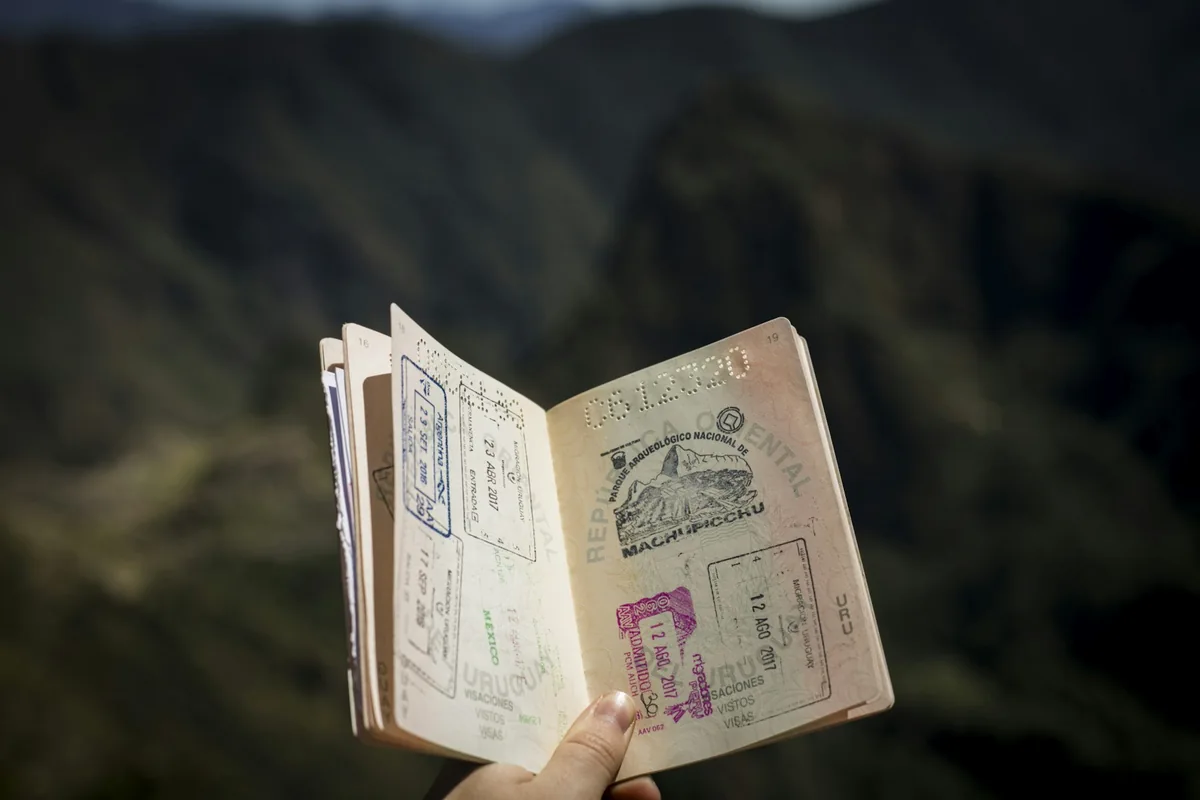
Featured photograph by Marissa Grootes on Unsplash, used under the Unsplash License.

Join the Conversation
Have experience with this destination or topic? Share your perspective or questions below. We’d love to hear from you.
Leave a Comment