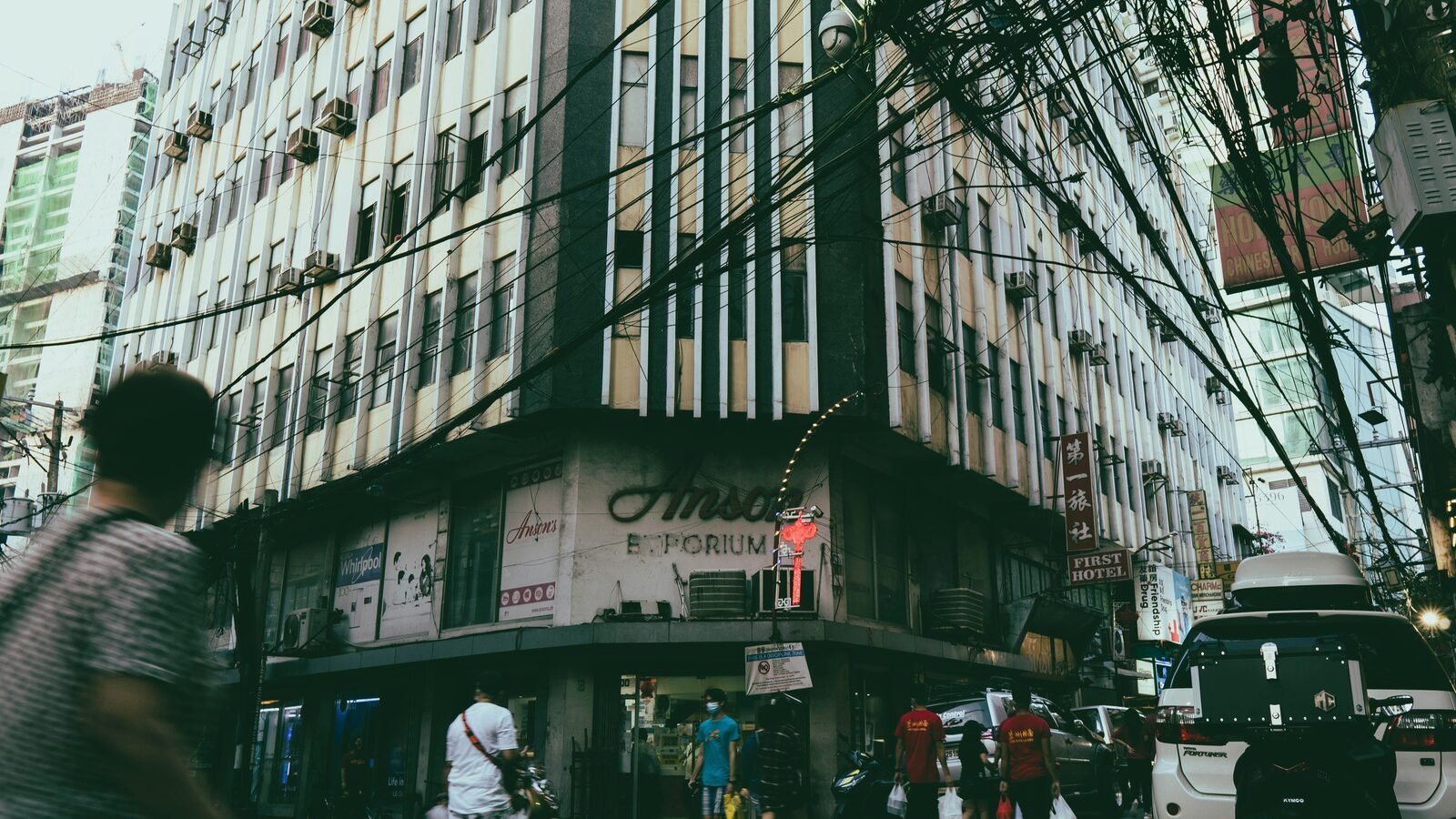
If you want to move to the Philippines, start with the legal stay route and the daily routine you can sustain. The Philippines can be easy to imagine through beach weekends, warm evenings, and a low advertised apartment rent. The move itself is decided by ordinary details: a legal stay route, a neighborhood that fits your routine, reliable internet, healthcare, and the cash needed to bridge your first two months.
At a Glance
| Stage | Decision to make |
|---|---|
| Before booking | Entry, extension, or longer-stay category; passport and onward travel requirements |
| Before a lease | Neighborhood, commute, internet, building conditions, deposit terms |
| First month | Local SIM/data, payment method, healthcare access, backup cash |
| Longer stay | Renewal deadlines, tax questions, local compliance, emergency plan |
Some links are affiliate links. BooksOfTay may earn a commission
at no extra cost to you. Use official immigration instructions as the
source of record.
The decision in real life
Start with a trial in one city and a second candidate rather than a long lease chosen from photos. Manila is the capital and part of a wider metropolitan area; Makati or BGC can feel very different from another district. Cebu City, Iloilo, Dumaguete, Davao, Baguio, and Cagayan de Oro offer different trade-offs. The article below is a planning framework, not a claim that one city is universally cheapest or best.
Start with the stay you
actually intend
The Philippine Bureau of
Immigration visa pages distinguish visitor entry, visa waiver or
extension processes, and other visa categories. Review the route that
matches your passport, purpose, and length of stay. Check whether you
must show onward travel, what your airline will verify, and how an
extension is requested. If you will work for a local employer or run an
activity regulated locally, seek the applicable work authorization
rather than assuming visitor status covers it.
Pick a city by your
ordinary Tuesday
Manila offers a large urban network but commutes and neighborhood
choice can dominate daily life. Cebu is another major-city base with a
different pace and island access. Iloilo, Dumaguete, and Davao can be
worth researching for a smaller-city preference, with different
trade-offs in flight connections and specialized services. Do not choose
from a beach photograph alone. Shortlist two or three neighborhoods and
test the route to groceries, healthcare, and the places you will visit
weekly. Our best cities in the Philippines article
gives the comparison framework.
Use the free BooksOfTay
Country Finder to filter by budget, lifestyle, infrastructure, and
longer-stay preference. Treat its estimates as a starting point, then
confirm actual furnished rentals for your dates.
Price the first 60 days,
not just rent
Plan temporary accommodation while you inspect longer rentals in
person or by a verified local representative. Ask for a written lease,
total move-in cash, inventory, utility arrangements, internet options,
and the exact refund rule for the deposit. Test the connection during
hours you will work. Keep a buffer for flight changes and medical care.
If you need coverage, compare the policy against your destination and
stay length before buying; review
current SafetyWing terms or Genki Native terms according to
your care needs.
Set up money and U.S.
administration
Keep two ways to access money. Compare the amount delivered for a
local rent payment and verify the recipient before sending; get a live Wise quote only after you have
confirmed the lease and account details. Decide how important U.S. mail
will reach you and check a virtual
mailbox if paper statements or replacement cards remain necessary.
Neither service replaces a bank’s address rules or your legal
obligations.
Your first-week checklist
Save copies of passport, entry record, lease, insurance, and
emergency contacts securely. Get local data access, identify a nearby
clinic and pharmacy, and confirm your extension deadline in your own
calendar. Walk your neighborhood before committing to a longer rental.
Adjust your budget to what you actually spend rather than an online
average.
Plan the first sixty days, not an imagined average month
Create two columns: one-time arrival cash and recurring monthly spending. Arrival cash can include flights, temporary lodging, deposits, first rent, basic furnishings, SIM, transport, and document costs. Recurring spending includes housing, utilities, data, groceries, insurance, local travel, and return-trip savings. Do not confuse the deposit with a monthly bill or count it as available emergency cash.
For housing, ask about power interruptions, backup generator, water, mobile signal, building rules, air-conditioning electricity, and the actual path to your daily destinations. A place that looks affordable can be costly when the commute and cooling bill are added. Visit at the time of day you will usually travel and test a video call inside the unit.
Before flying, check the Bureau of Immigration for the current visitor or longer-stay process, the Philippine government’s eTravel portal, and U.S. State Department travel information. Entry, extensions, and work permission are separate issues. Keep passport validity, onward travel, and deadlines in a calendar you control.
A sample move budget with honest categories
Suppose your personal ceiling is $1,600 a month and you want housing no higher than $750. That leaves $850 for utilities, internet and mobile data, groceries, local transport, healthcare, insurance, social life, and a reserve. This is a planning example, not a claim that any particular city or apartment will fit. If the actual unit and lifestyle exceed the remaining $850, either change the unit, change the spending plan, or choose another neighborhood.
Separately, write an arrival-fund line. A refundable deposit is cash you need to have available even if you might recover it later; it is not the same as recurring rent. Add temporary lodging, first rent, setup purchases, documentation, and a possible change of plan. Do not present the total as “monthly expenses.”
Test the budget during a trial stay by recording every expense for two ordinary weeks. A vacation pattern may overstate restaurants and understate utilities, so obtain actual utility expectations from the building and price groceries you would really buy. Recheck the legal stay route before extending the trial into a lease.
A trial week that tells you more than a listing
Stay in a short-term rental first. During the first week, commute to a grocery store, clinic, workspace, and airport route; buy a SIM; withdraw or spend a small amount; and test daytime and evening noise. Speak with residents about the building rather than relying only on a broker’s tour.
If the city feels promising, repeat the same routine in a second neighborhood before paying a large deposit. Keep a U.S. mail and banking plan operating during the transition. The ability to leave a poor fit is worth more than an early discount on a long lease.
THE BOOKSOFTAY LIFE-FIT TEST
Which choice actually fits your life?
Use these questions before you pay, apply, or commit. The right answer is the one that holds up on an ordinary Tuesday, not just in a sales page.
What permission matches your intended stay?
Verify the current route with the Bureau of Immigration before assuming a visitor entry supports your whole plan.
Which city makes your Tuesday easy?
Test commute, food, health care, heat, and connectivity in person.
What is the real first-month cash need?
Separate deposits and setup from ongoing spending.
Can your income and payments travel with you?
Test bank access and a small transfer before rent is due.
What is your exit plan?
Keep funds for a different neighborhood or a return journey.
THE BOOKSOFTAY VERDICT
What we would do next
Use the first trip to gather evidence, not to prove a dream right.
Choose Metro Manila when
Dense services and flight options matter enough to accept traffic and neighborhood-dependent costs.
Choose a regional city when
A slower pace appeals and your own checks confirm the healthcare, connectivity, and routes you need.
Book a trial stay, verify your immigration route, and sign a longer lease only after living the routine.
Frequently asked questions
Can a U.S. citizen stay visa-free?
Current U.S. State Department guidance discusses a short visitor stay; longer plans require checking current Philippine rules and your specific circumstances.
Is Manila the capital?
Yes. Metro Manila includes multiple cities and neighborhoods, so compare the actual address rather than treating the capital as one uniform housing market.
Can I work remotely on a tourist entry?
Do not assume so. Ask the relevant Philippine authority about permitted activity and the route appropriate to your work.
How much should I budget?
Price your chosen unit, bills, healthcare, transportation, and an arrival buffer. Generic national averages can hide the costs that shape your life.
Your next chapter
Put two neighborhoods and one backup city into a trial itinerary. Use the Country Finder for a first shortlist, then turn the shortlist into real housing and immigration checks.
Sources & important notes
Rules, prices, and terms can change. Check these primary sources again before you act:

Join the Conversation
Have experience with this destination or topic? Share your perspective or questions below. We’d love to hear from you.
Leave a Comment