Disclosure: This article includes an affiliate link. BooksOfTay may earn a commission if you use it. Compare eligibility, fees and terms before choosing a service.
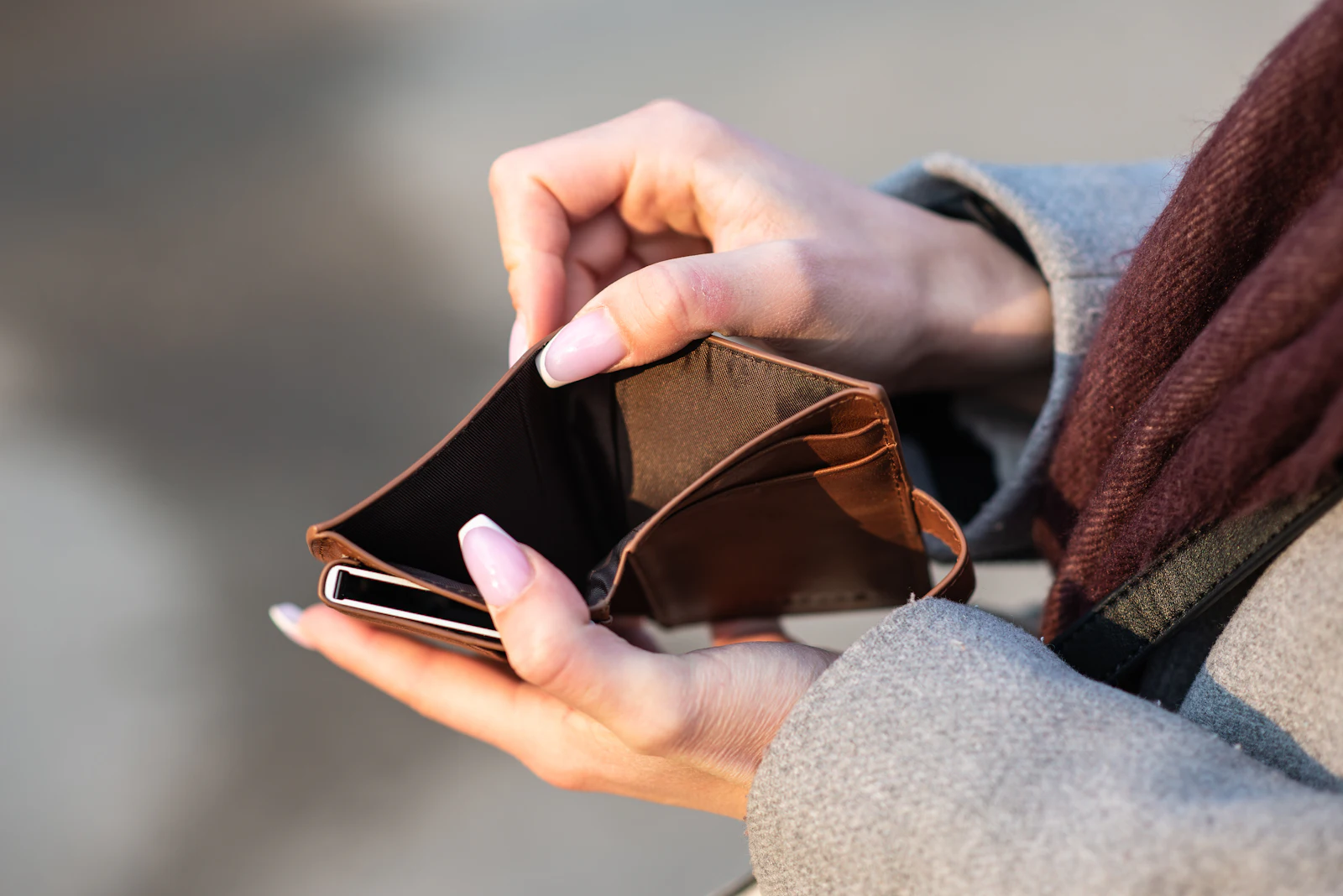
A missing bank card can turn an ordinary errand into a stressful afternoon. You may be standing beside an ATM, trying to pay for dinner, or unpacking after a transfer when you realize the card is gone. The immediate problem is not just the replacement. It is how you will protect the account and pay for the next few days.
If you have lost your bank card abroad, start with the issuer’s official app or verified support channel. Then work through money access, replacement delivery, and any necessary follow-up. Keep the process separate from strangers offering to recover the card or arrange emergency access to your funds.
This guide explains a practical response and a backup system for future travel. It does not promise that every issuer can ship to every country or reimburse every transaction.
At a Glance
| Situation | First practical step | What to confirm next |
|---|---|---|
| Card temporarily misplaced | Freeze if your issuer offers it | Whether the card can be safely recovered |
| Card stolen or definitely lost | Report through official issuer channels | Cancellation, replacement, suspicious activity |
| ATM retains the card | Contact issuer and verified ATM operator | Whether recovery is possible or replacement needed |
| Unexpected transaction appears | Report promptly through the issuer | Dispute process and required records |
| No usable payment method | Contact issuer about available assistance | Eligibility, delivery, timing, and costs |
Stop and establish what actually happened
Check the last safe place you used the card, without leaving yourself or your belongings exposed. If it may be nearby, a temporary freeze can be useful where your issuer provides that control. If it was stolen or you see transactions you did not authorize, report the situation promptly rather than spending hours searching.
The U.S. Federal Trade Commission emphasizes immediate reporting and explains that protections depend on the type of card and when you report the problem. Do not treat a general promise of fraud protection as permission to delay. Follow the specific issuer’s reporting and dispute instructions.
If an ATM kept the card, note its location, operator, and the time. Use independently verified contact details. Avoid trusting a phone number pasted onto a machine or accepting help that requires disclosing your PIN.
Use the official app or a verified contact
Open the banking app you already use or type the provider’s known website yourself. If calling, use a number from a trusted source. Search results and unsolicited messages can contain convincing impersonations, especially when you are rushing.
Explain what happened, where you are, whether the card is physically missing, and whether you recognize recent transactions. Ask whether the card should be canceled permanently and what documentation the issuer requires. Record the case reference and the actions you agreed to take.
Freezing is not identical across providers and may not block every type of transaction. Wise’s published guidance, for example, describes temporarily freezing a card and replacing a lost or stolen card through its service. Use the instructions for your own provider rather than assuming another company’s process applies.
Check what else was exposed
If only the card is missing, the response may be narrower than if your wallet, phone, passport, or bag was taken. Make a short inventory. Which accounts were accessible from the missing device? Were other cards, identity documents, or written passwords together?
Contact relevant providers through their official recovery processes. If a phone is missing, use its supported lost-device controls and contact the mobile carrier. Prioritize your physical safety; do not attempt to confront someone based on a device location signal.
For a missing passport, consult your country’s embassy or consulate instructions. A bank card replacement process does not address identity documents. Keep records if an insurer or provider requests an official report, and confirm their requirements directly.
Get through the next 72 hours
List the expenses that cannot wait: accommodation, food, transport, and any essential medicine. Then identify the resources still available. That may include another card, accessible cash, or a separate account you can legitimately use.
A digital wallet can be convenient, but do not assume a canceled card remains usable through it. Ask the issuer what happens to the tokenized version. Also consider whether merchants and local transport accept the payment method you are counting on.
If someone you trust may help, agree on a secure and legitimate method, confirm the recipient details, and understand fees. Do not send account credentials or verification codes. Avoid rushing into unfamiliar money-transfer services because a stranger promises immediate cash.
If you have no backup, ask the issuer about available emergency services. Treat expedited delivery or emergency cash as possibilities to confirm, not guaranteed benefits. Eligibility varies by account, network, country, and circumstances.
Arrange replacement delivery realistically
Give the issuer a stable address where you can safely receive the card. Confirm whether international delivery is available, whether the name must match reception records, and whether signature or identification is required. Ask about expected timing and fees.
An itinerary that changes cities every few days makes delivery harder. It may be better to stay in one place while the issue is resolved, but weigh the accommodation cost against the issuer’s realistic delivery estimate. Do not book onward travel around an unconfirmed promise.
If you use a mail service, confirm whether it accepts and forwards that type of item and whether the issuer permits that address. A virtual mailbox is not automatically a suitable destination for financial documents or replacement cards.
Build a backup that does not fail the same way
Two cards in one wallet are one backup only on paper. Store your backup separately and consider whether it relies on a different account or institution. Two cards linked to a frozen account may both become unusable.
You do not need to carry every card everywhere. Carry what you need for the day and secure the rest appropriately. Keep a sensible amount of accessible cash based on your location and needs without keeping your entire reserve on your person.
Test account access before traveling. Know how to contact each issuer without the app and how to recover access without your primary phone. Our guide to keeping a U.S. phone number abroad explains why authentication deserves its own plan.
Choose providers by recovery support as well as fees
Low fees matter, but an overseas banking setup also needs workable support, clear residency rules, replacement arrangements, and authentication you can use. Compare those features before deciding which account handles daily spending and which holds your reserve.
If you are evaluating a transfer service, check Wise’s current availability and fees, alongside your existing bank and other eligible providers. Wise is not a universal emergency replacement solution; eligibility and features depend on your circumstances.
For a broader starting point, read our bank accounts and debit cards guide. Confirm current account terms directly before opening or retaining an account overseas.
The BooksOfTay Life-Fit Test
If your main card stopped working tonight, could you pay for three days without borrowing from a stranger? Could you contact the issuer without your phone? Is your backup stored somewhere different? Do you know whether a replacement can reach you?
Write down the weak point and fix that first. Emergency savings are only useful if you can access them. Keep your expected replacement, extra accommodation, and other contingency needs in mind when setting the reserve in your Move Planner.
The BooksOfTay Verdict
Act immediately if
The card is stolen, definitively missing, or associated with transactions you do not recognize. Contact the issuer through verified channels and follow the formal reporting process.
Improve your backup if
All your money access depends on one card, phone, account, or bag. Solve the shared point of failure before buying more travel equipment.
Overall Winner
A separate, tested payment route is the most useful preparation. When something goes wrong, protect the account first and make the next few days affordable while you arrange the permanent fix.
Frequently Asked Questions
Is freezing enough if my card was stolen?
Do not assume so. Report the theft and follow the issuer’s cancellation, replacement, and dispute instructions. Temporary controls are not a substitute for required reporting.
Will the bank ship a card overseas?
Some issuers offer international delivery under certain conditions. Confirm the country, address, timing, identification requirements, and cost directly.
Can I keep using the card in my phone wallet?
That depends on the issuer and what action has been taken. A freeze or cancellation can affect digital use. Ask before relying on it for an essential purchase.
Should I carry two cards?
A separate usable backup can be helpful, especially if it avoids dependence on one account or issuer. Check eligibility and fees, and do not keep every payment method together.
Your turn: Have you checked how your bank would replace a card while you are abroad, or have you only compared its fees?
Sources
Checked October 5, 2026. Reporting and replacement requirements vary; follow your issuer’s instructions.
- FTC guidance on lost or stolen cards
- Wise lost or stolen card guidance
- Wise card replacement guidance
Featured photograph by Emil Kalibradov on Unsplash, used under the Unsplash License.


Join the Conversation
Have experience with this destination or topic? Share your perspective or questions below. We’d love to hear from you.
Leave a Comment