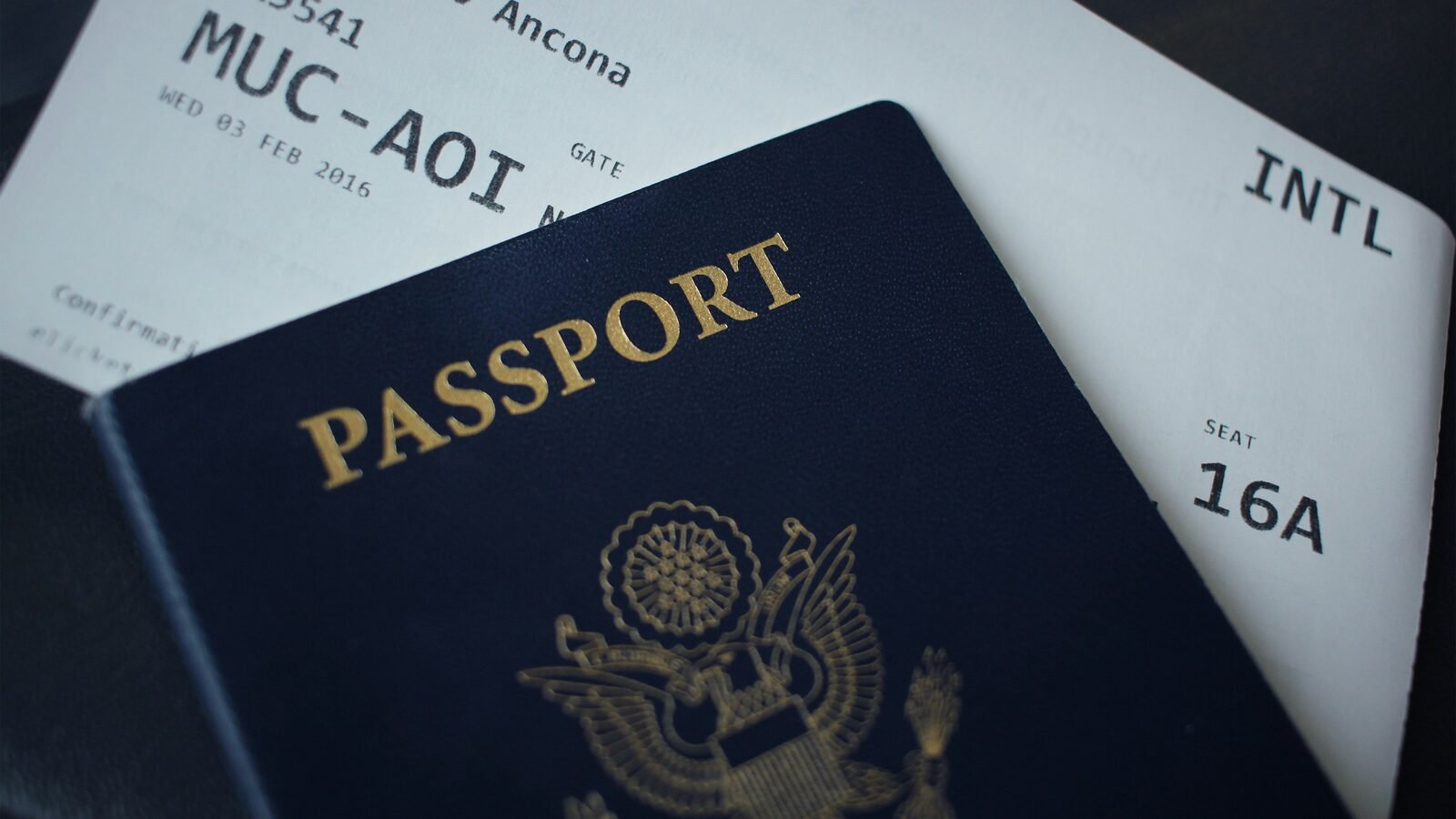
A certified translation and apostille address different visa requirements. You have a birth certificate, a background check, and a deadline from a visa office. A search result tells you to apostille everything first; another tells you to translate everything first. Either shortcut can waste money because the destination authority decides which document, language, certification, and sequence it will accept.
At a Glance
| If the checklist asks for | Your next check |
|---|---|
| Translation | Accepted language, certification wording, translator qualifications, original or copy rules |
| Apostille | Issuing authority of the original document and destination country’s Hague status |
| Authentication certificate | Non-Hague route and any embassy/consular legalization required |
| Notarization | Which signature must be notarized—the source document, translation, or translator declaration |
Some service links below are affiliate links. BooksOfTay may earn
a commission at no extra cost to you. The visa authority’s instructions
control what it will accept.
The decision in real life
Make a row for every document rather than a single “visa paperwork” task. Record the issuer, destination, accepted age of the document, whether it must be an original or certified copy, whether translation is required, and whether apostille, authentication, notarization, or consular legalization is specified. Send unclear wording to the authority before ordering a service.
Step 1: Make a
document-by-document list
For each birth certificate, marriage record, diploma, police record,
or other document, write down the issuer,
country of use, required language,
age limit, and form of copy. Do not
pay for a translation of a document the authority expects you to obtain
in a different format. Ask whether it accepts a digital delivery or
requires the original on paper.
Step 2: Identify
the right authentication route
USAGov
explains that a document issued by a U.S. state generally goes to
that state’s secretary of state for an apostille, while a federal
document goes to the U.S. Department of State. If the destination is not
a party to the 1961 Hague Apostille Convention, an authentication
certificate and further legalization may be required. The apostille is
tied to the official signature or seal; it does not certify that every
fact in the document is true or that your visa will be approved.
Do not send a state birth certificate to a federal office merely
because you live outside the state now. Likewise, confirm whether the
receiving authority wants an apostille on the original record, a
notarized copy, or a translator’s declaration. The sequence can differ
by destination.
Step 3:
Order the translation to the exact specification
Send the translator a clear scan and the visa authority’s wording.
Confirm whether the certification must include a signed statement,
translator credentials, a stamp, or a physical copy. RushTranslate’s certified translation
service can be a useful quote for an accepted language pair, but
first confirm acceptance with the receiving authority. A certified
translation is not automatically a notarized translation; neither
automatically replaces an apostille.
Step 4: Leave
time for correction and delivery
Check names, dates, diacritics, document numbers, and page
completeness as soon as you receive the translation. Build in time for a
corrected document, shipping, and the issuing office’s current
processing period. If you need help obtaining or routing a U.S.
background check or apostille, compare the scope of Fingerprints and
Apostilles with the direct government route. A private service can
assist with logistics but cannot change the receiving authority’s
requirements.
Keep one clean application
packet
Keep a scan of the source document, translation, certification
statement, apostille or authentication certificate, shipment tracking,
and the authority’s checklist together. Before submitting, compare every
item with the latest visa portal instructions. Our certified
versus notarized translation and best apostille
services guides explain the adjacent decisions.
Follow the document, not the service advertisement
A state-issued birth or marriage record usually follows its issuing state’s certification route. A federal document, such as an FBI background check, follows the federal route. The U.S. Department of State explains apostilles for Hague Convention destinations and authentication certificates for other routes. It is the issuing jurisdiction and receiving country that determine the correct path.
A certified translation addresses the language of the content. An apostille authenticates a qualifying signature or seal; it does not verify the truth of the document’s contents or automatically certify the translation. If the authority wants a notarized translator declaration apostilled, ask exactly whose signature needs authentication and in which jurisdiction.
Request a quote with the document count, source and target languages, delivery format, certification statement, revision process, and deadline. A digital scan may be enough for one application while another asks for paper originals. Confirm before paying extra for shipping or rush processing.
Example: three documents, three different checks
Suppose a residence application names a birth certificate, a marriage certificate, and an FBI background check. Two records may have come from different states, while the FBI document is federal. The issuing source changes the apostille route. A single “apostille package” quote is not useful until the provider shows which office handles each document and what the receiving authority accepts.
Next, ask whether all three require translation. If one record is already in the accepted language, translating it may be unnecessary. If a translation must include the apostille page, ordering translation before the apostille could mean paying for a second job. Conversely, another authority may require a different sequence. Put the authority’s exact wording beside each row.
The final packet should make a clerk’s task easy: clear scan of the original, authentication where required, translation and certification where required, consistent names, and a checklist that matches the submission portal. Keep proof of dispatch and leave time to correct an inaccurate spelling.
Build a deadline with room for rejection
Work backward from the submission date: authority clarification, replacement original, apostille or authentication, translation, delivery, and a correction buffer. A fresh document can be required even if an older certified copy is genuine. Keep scans of each stage and label files by document and issue date so the packet is easy to audit.
If a service promises an apostille from a different state or on a photocopy, check that claim against the relevant issuing authority. A vendor can help coordinate logistics, but it cannot change what the visa office will accept.
THE BOOKSOFTAY LIFE-FIT TEST
Which choice actually fits your life?
Use these questions before you pay, apply, or commit. The right answer is the one that holds up on an ordinary Tuesday, not just in a sales page.
Who will receive this document?
Get the embassy, immigration office, university, or other receiving body’s current checklist.
Who issued the original?
State, federal, and foreign-issued documents follow different authentication paths.
Which language and format?
Confirm the target language, certification statement, and digital versus paper rules.
What exact order is required?
Some authorities want the original authenticated before translation; others specify a translated declaration.
How much time is left?
Allow for mailing, corrections, and changes in official processing time.
THE BOOKSOFTAY VERDICT
What we would do next
Treat every document as its own route.
Do it yourself when
The checklist is clear, the issuing authority accepts direct requests, and your deadline allows shipping and corrections.
Use a service when
Coordination, translation quality control, or a tight but realistic schedule justifies the fee—after you verify its exact deliverables.
Buy only the steps the receiving authority requires. Keep the official checklist and written clarifications with your final packet.
Frequently asked questions
Are certified translation and apostille the same?
No. Translation addresses language; an apostille authenticates a qualifying public signature or seal for use in a Hague Convention country.
Can I apostille a U.S. birth certificate federally?
A state-issued vital record generally needs the issuing state’s route. Check that state and the receiving authority.
Does every visa require a notarized translation?
No. Requirements differ by authority and document; ask for the exact certification language.
Can I order everything online?
Some steps permit online requests, while originals or physical certificates may still require mailing. Confirm both ends of the process.
Your next chapter
Open the receiving authority’s checklist, build one row per document, and request clarification on any ambiguous line. Then compare translation and apostille services against that exact packet, not a generic bundle.
Sources & important notes
Rules, prices, and terms can change. Check these primary sources again before you act:

Join the Conversation
Have experience with this destination or topic? Share your perspective or questions below. We’d love to hear from you.
Leave a Comment